
SkyUp Airlines: Operational Resilience, Transformation Strategy, and New Horizons
An Exclusive Interview with Dmytro Sieroukhov, CEO of SkyUp Airlines

Introduction: Between Sky and Reality.
Aviation is an industry in which every management decision carries the weight of thousands of human destinies — passengers planning vacations, business executives rushing to negotiations, families connecting across borders. Yet there exists another, less visible dimension to these decisions: hundreds of specialists — pilots, flight attendants, aviation engineers — whose careers and livelihoods depend directly on the operational and strategic acumen of those who lead an airline.
For SkyUp Airlines — the Ukrainian carrier founded in 2017 and until recently known primarily as a powerful charter operator in the leisure-travel market — February 24, 2022 marked not merely the date of Russia’s full-scale invasion of Ukraine. It became a point of no return, after which the company found itself facing an existential choice: stagnation under a closed sky, or transformation — complex, risky, but the only viable strategy for survival and growth.
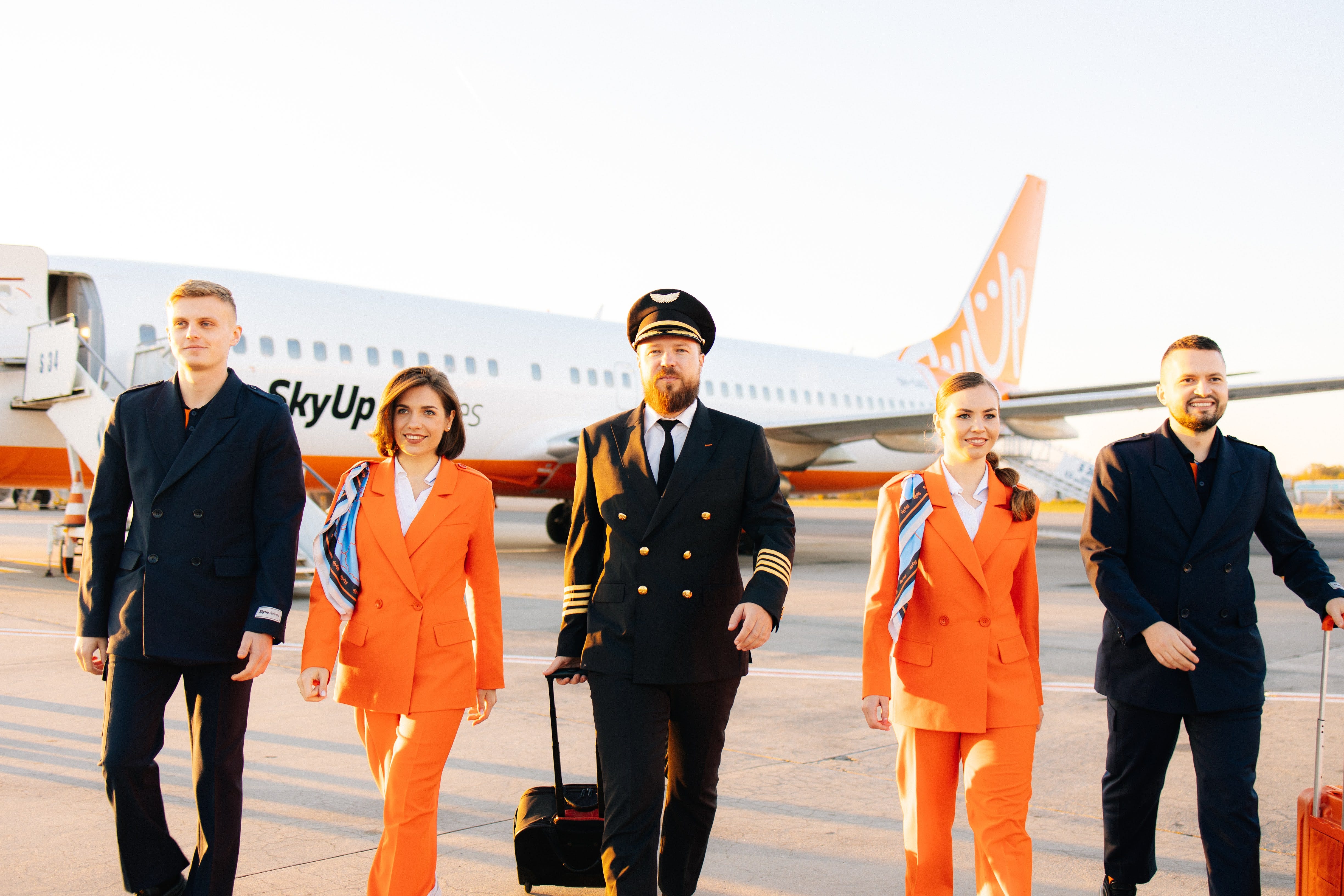
Nearly four years have passed. SkyUp did not merely survive — the company reached a new qualitative level, obtaining IATA membership, IOSA certification, an EU Air Operator Certificate, and actually launching scheduled services on European routes from Chisinau. This is not a marketing narrative; it is a documented operational fact, confirmed by international regulators, auditors, and partners.

Dmytro Sieroukhov, CEO of SkyUp Airlines, is the person who holds the threads of this transformation. Speaking with Aviaedge, he revealed the details of strategic decisions, operational challenges, and perspectives that outline the future of the airline and, more broadly, of the entire civil aviation industry in a fundamentally altered landscape.
Decisions That Defined 2025.
Viktoriia H.: “2025 was a difficult year for the entire aviation industry. What was it like for SkyUp, and which management decisions most significantly affected the company’s further development?”
Dmytro Sieroukhov: “In April 2025, we took an important step and launched scheduled flights from Chisinau. This direction is especially significant for us, as it continues what we were doing before the full-scale invasion. For the summer 2026 season, we have planned routes to more than 30 destinations, including the most popular ones — Spain, Greece, France, Italy, Portugal, and others. For SkyUp, 2025 was a time of major changes and development. We became an IATA member and successfully passed IOSA certification. This confirms that we fly safely, manage risks, and operate in accordance with the most current international aviation standards. The launch of scheduled flights is the result of years of persistent work. You can imagine how difficult it is for a Ukrainian business to enter the competitive European arena. Back in 2022, we made an important strategic transformation, shifting to ACMI and charter operations to effectively utilize our fleet and crew, preserve company revenue, and maintain the ability to operate in the European market. In 2023, we obtained the EU Air Operator Certificate, which gave us the ‘green light’ to prepare for scheduled flights. In parallel, we continued to develop the charter and ACMI directions, which helped sustain stable operations for further growth.”
The strategic logic of these decisions is not immediately apparent, but it reveals a clear sequence: ACMI and charter became cash flow generators that financed expensive certification and regulatory alignment; IOSA certification opened doors to trust from leading European partners; finally, obtaining the EU Air Operator Certificate transformed SkyUp from a guest into a full participant in the European aviation market. Each stage, in this way, became an investment in the next.
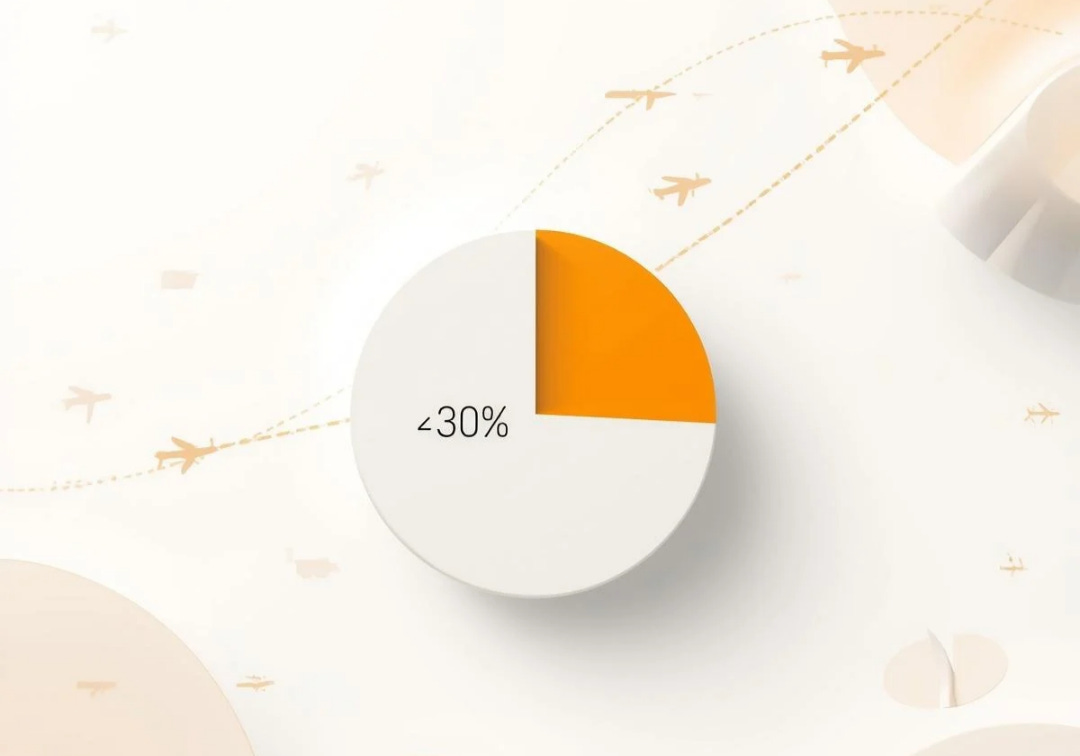
Industry statistics confirm how difficult this path was. According to ICAO data, only approximately 30% of airlines that suspended scheduled services due to force majeure circumstances successfully resume full operational activity within five years. SkyUp, overcoming not merely temporary operational difficulties but the complete loss of its home market, demonstrates operational resilience that is rare even by global standards.
Competitive Positioning in the European Market.
Viktoriia H.: “In the spring of 2025, SkyUp entered the European market with scheduled flights. How do you assess your position among European airlines today?”
Dmytro Sieroukhov: “Today SkyUp positions itself as an international aviation brand with Ukrainian roots, capable of effectively operating and developing in the highly competitive European environment and adapting to challenging conditions. We plan routes so that passengers can travel conveniently and the company can operate efficiently. This allows us to remain competitive and gradually strengthen our position among European carriers.”
The European short- and medium-haul market is one of the most competitive in the world. Operating here are Ryanair — the absolute leader in European passenger numbers — alongside Wizz Air, easyJet, and dozens of charter and regional operators. Each carves out its own niche: some compete purely on price, others on geographic coverage, still others on service quality. Finding one’s position on this board requires not only financial resources but also precise consumer understanding.
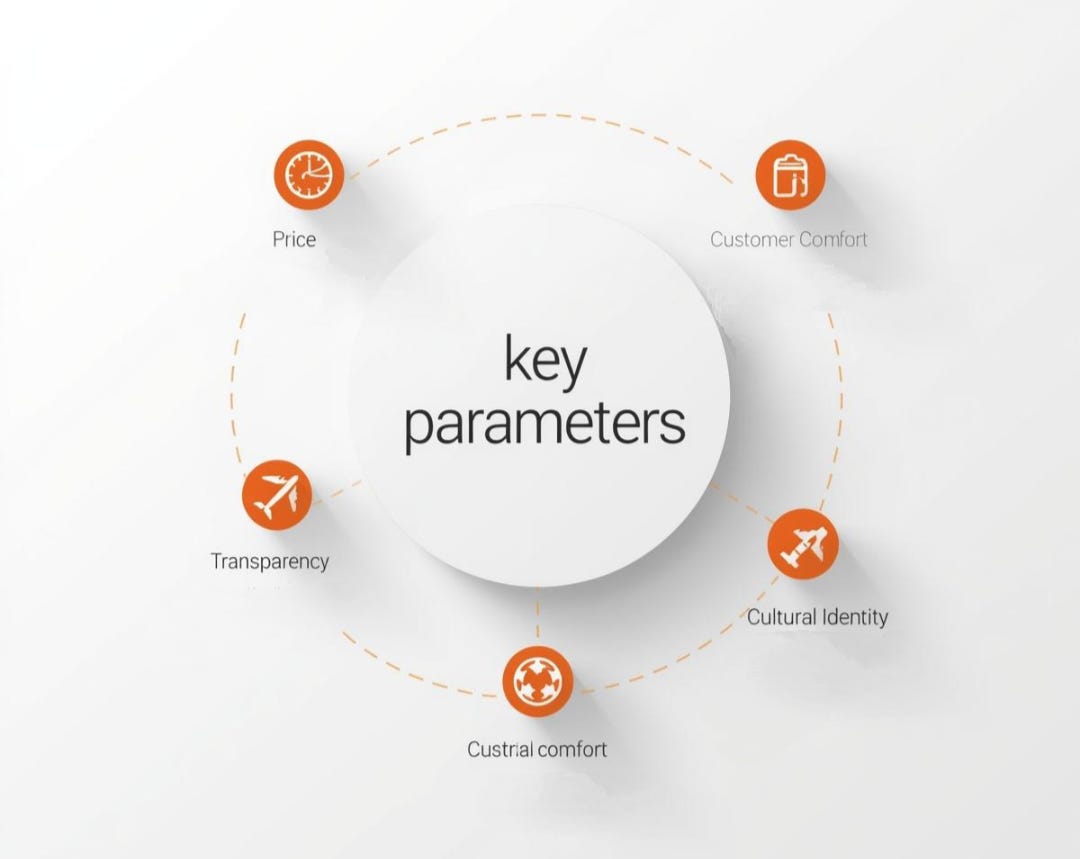
Sieroukhov articulates SkyUp’s competitive identity around several key parameters: transparent pricing without hidden surcharges, comfort-oriented service, and a distinctive cultural identity that appeals to the ten-million-strong Ukrainian diaspora dispersed throughout Europe. This last factor is a unique asset possessed by none of the European competitors.
Service as Differentiator: Why Passengers Choose SkyUp.
Viktoriia H.: “On European routes, you operate alongside large and well-known brands. What, in your view, should make a passenger choose SkyUp?”
Dmytro Sieroukhov: “Working alongside such giants is a stimulus for us to become even better. Passengers choose SkyUp for the combination of quality service and honest pricing, without hidden or unexpected surcharges. For SkyUp, a quality customer experience is the foundation of our philosophy. It will always come first. For example, we have comfortable seats with adequate legroom, which is especially important on longer journeys, restaurant-quality food that passengers actively comment on and recommend to others, and even a pet-friendly service so you can fly with your pets. For us, the client is not only the passenger but also our employees. That is why we developed a comfortable uniform for crew members, and were among the first to eliminate high heels and add comfortable footwear. The freedom of movement in stylish casual suits and comfortable shoes received positive feedback not only from our colleagues but from the global community.”
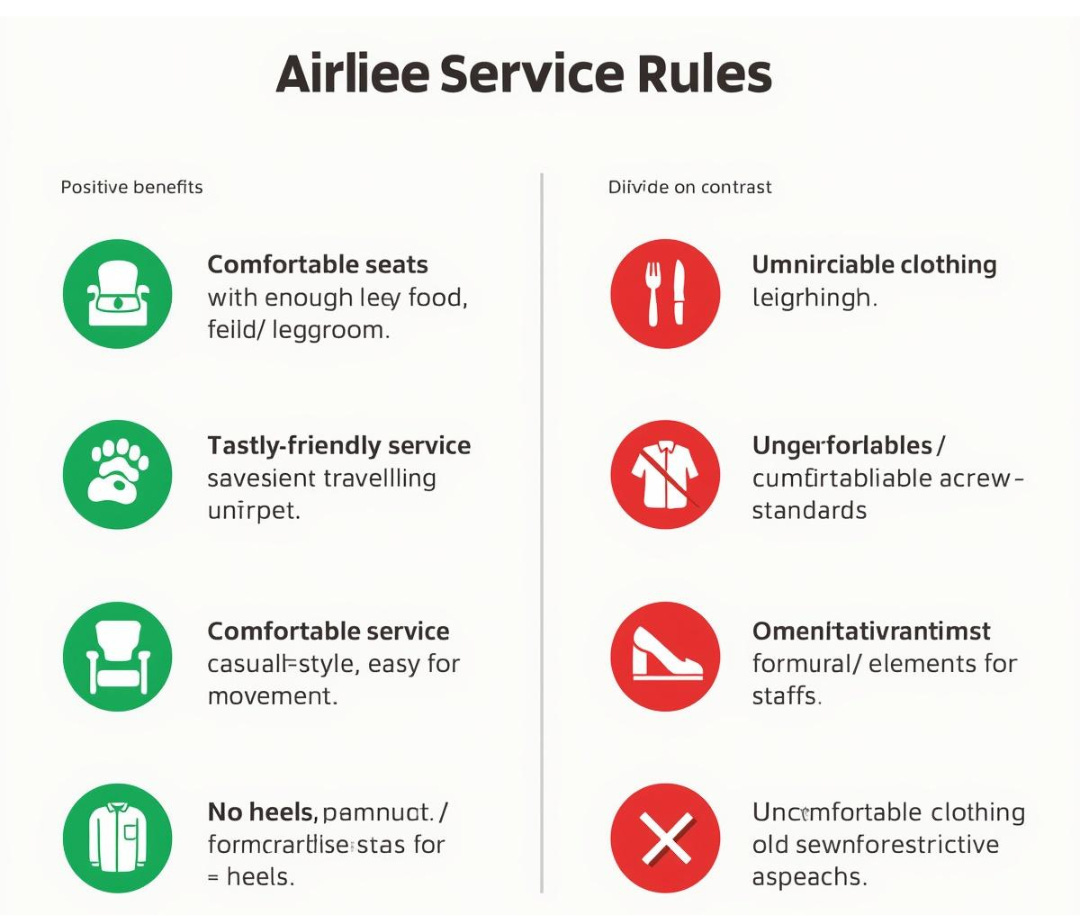
This statement resonates with a broader trend in consumer behavior — the so-called “experience shift” documented by McKinsey and Bain analysts: the modern passenger, especially in the leisure-travel segment, increasingly makes decisions based not solely on price but on the cumulative experience from booking to deplaning. SkyUp deliberately invests in precisely these touchpoints: food, comfort, friendly approach to non-standard needs (pet-friendly), and the well-being of the crew itself, which directly shapes the atmosphere on board
ACMI and Strategic Partnerships: The Architecture of Collaboration.
Viktoriia H.: “The European market is highly competitive. With whom is SkyUp building key partnerships today, and what role do they play in the company’s development?”
Dmytro Sieroukhov: “SkyUp is building partnership relationships with leading European airlines, including Wizz Air, Smartwings, and others. This helps us strengthen our position in the European market and enhances trust in the brand. At the same time, we are developing the charter direction and have agreements with several tour operators, including our strategic partner Join UP!. Such partnerships allow us to expand our presence in the tourism segment and create new growth opportunities for the company.”
ACMI (Aircraft, Crew, Maintenance, Insurance) — a model under which an airline provides its aircraft together with crew and technical maintenance to another carrier — became, in essence, a lifeline for SkyUp in the first critical months after the closure of Ukrainian airspace. More importantly, however, it was precisely the ACMI contracts with recognized European operators such as Wizz Air and Smartwings that served as a proof base for reliability and compliance with international standards. When a Central European stock-listed airline chooses you as a wet-lease partner, that itself constitutes a powerful quality certificate.
The partnership with Join UP! — one of Ukraine’s leading tour operators — is strategically important for a different reason: it gives SkyUp access to stable and predictable demand in the package travel segment, which is particularly valuable amid volatile demand on scheduled routes. Diversification across scheduled flights, ACMI, and charter represents a classic operational risk reduction strategy.
Navigating European Regulation: 20+ Audits and IOSA.
Viktoriia H.: “Operating in Europe also means different rules and standards. Which requirements were most challenging to work with?”
Dmytro Sieroukhov: “The most difficult part was building trust as a Ukrainian business and carrier. After the war began, our operational capabilities were limited by the absence of an Air Operator Certificate. We needed to obtain separate flight permissions for each flight. Additionally, we had to constantly confirm compliance with safety and reliability standards. We underwent more than 20 audits from European partners and regulators, examining absolutely all processes: from technical inspection and aircraft maintenance to passenger safety organization and risk management. Adaptation to EASA standards included IOSA certification, the introduction of safety management systems, regular personnel training, and continuous monitoring of operational risks. As a result, we were able to demonstrate that a Ukrainian airline can safely and effectively operate according to the high European standards.”
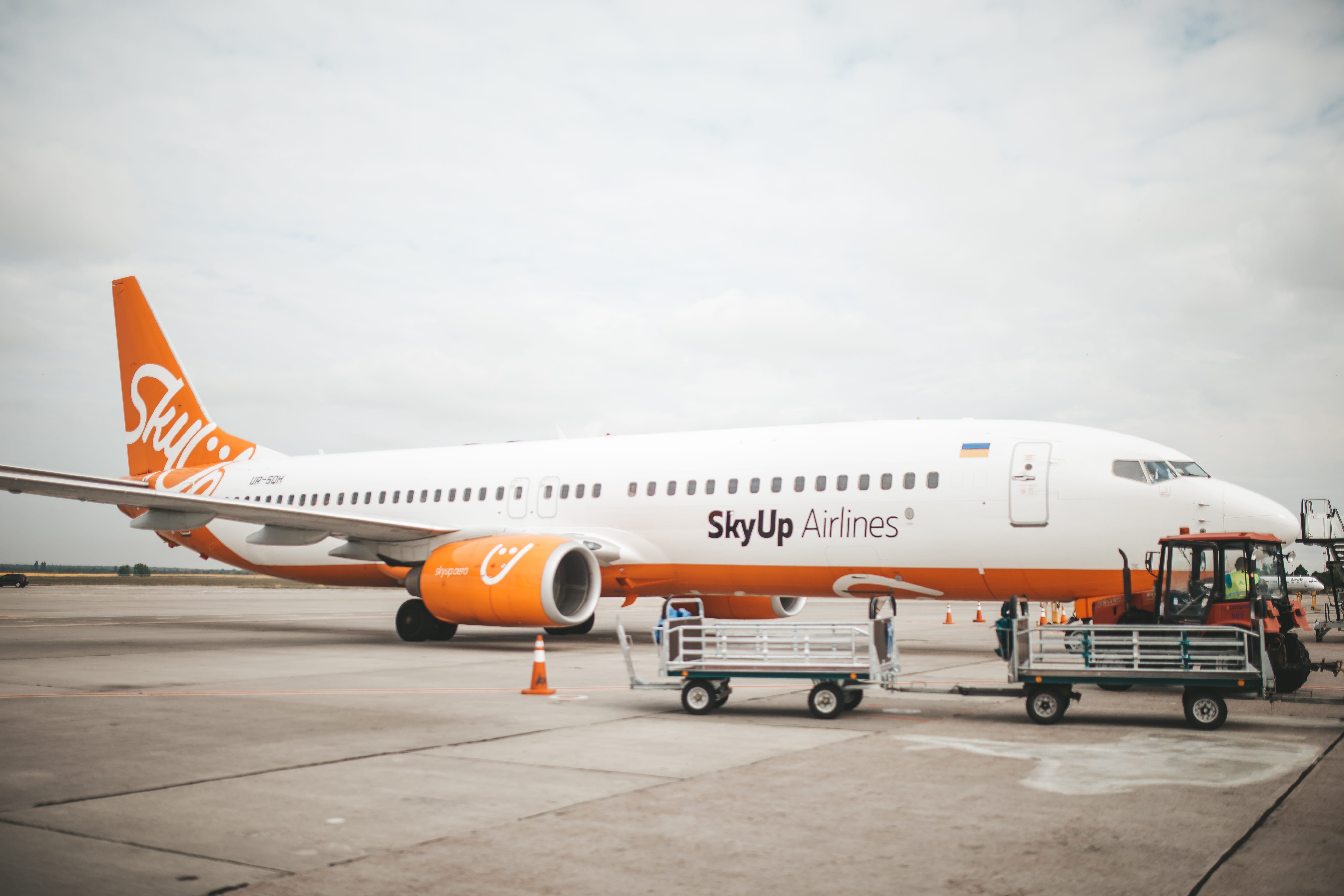
IOSA (IATA Operational Safety Audit) certification is one of the industry’s most recognized independent confirmations of operational safety levels. Less than half of IATA member airlines hold a current IOSA certificate. For SkyUp — an airline based outside the EU and operating in the highly non-standard operational conditions of wartime — achieving this status is evidence of systematic effort, not merely formal compliance.
More than twenty external audits is a figure that speaks for itself. This is not routine regulatory inspection; it is, in effect, a continuous process of demonstrating competence. Each audit required the mobilization of resources, management time, documentary evidence, and — critically — genuine compliance with standards that cannot be “faked” in aviation, where the price of error is measured in human lives.
Global Trends as Strategic Compass.
Viktoriia H.: “Which global aviation trends guide your strategic decisions for SkyUp today?”
Dmytro Sieroukhov: “Today global aviation faces a number of challenges and opportunities simultaneously. Among the key trends: geopolitical instability, rising operational costs, shortages of qualified specialists, and limited aircraft supply. For many companies, this is a signal to transform and diversify business models. Ukrainian airlines, including SkyUp, have been operating under extremely difficult conditions since 2022. At the same time, this gave us valuable experience in crisis management, rapid response, and adaptation to unexpected changes. Today, flexibility and the ability to adapt quickly are becoming key for airlines worldwide. Another important aspect is alignment with passenger needs and changes in demand. Even with Ukrainian airspace closed, Ukrainians continue to travel, stimulating the development of airports in neighboring countries and opening new opportunities for carriers. The global personnel deficit is another challenge, particularly for Ukraine, where there is an outflow of specialists and declining interest among young people in the aviation industry. This underscores the importance of investments in personnel training and building teams that combine Ukrainian and international specialists to ensure sustainable development after the restoration of civil aviation. These trends are shaping modern aviation overall, making it more flexible, diversified, and resilient to external challenges. For SkyUp, this means continuing to transform, consolidating our position in the international market, and preparing for the resumption of flights to Ukraine in light of the new global realities.”
The global trend analysis Sieroukhov references aligns with official IATA forecasts. According to IATA World Air Transport Statistics, air travel demand in 2024-2025 recovered to 94-97% of 2019 levels. Meanwhile, the structural pilot deficit, per Boeing’s Pilot Outlook, will reach 600,000 by 2042 — a challenge critically relevant to Ukraine, where a new generation of aviation specialists was being prepared before the full-scale aggression, a significant portion of whom are now mobilized or have emigrated.
Preserving the Team: The Most Valuable Asset in Crisis.
Viktoriia H.: “With Ukrainian airspace still closed and civil aviation going through a difficult period, how has SkyUp managed to keep its team together and continue operating?”
Dmytro Sieroukhov: “From the very first day, we thought not only about how to survive, but also about how to preserve the company and be ready for the long-awaited moment of returning to Ukrainian skies. Therefore SkyUp continues to operate: maintaining the fleet, training pilots and flight attendants, and constantly engaging with regulators and airports so that, when the moment comes, we can quickly resume flights. Most of our team members are Ukrainians, and it was important for us not to lose these professionals. Even working abroad, we remain a Ukrainian company and continue to pay taxes in Ukraine. Since the beginning of the full-scale war, SkyUp has transferred more than 1.1 billion hryvnias to the state budget, and for us this is also a way of supporting the country. At the same time, we ensure that our pilots, flight attendants, and engineers do not lose their qualifications. This is critically important, as these are the very people who will form the foundation of aviation’s recovery after the war. We want to be the first to return to Ukrainian skies.”

According to Sieroukhov, more than 1.1 billion hryvnias in tax contributions since 2022 is not merely a legal obligation. It is strategic positioning: by supporting the state budget during wartime, SkyUp builds moral and reputational capital that has practical significance in future negotiations on the terms of restoring aviation connectivity, potential state subsidies, or preferential conditions for entering the home market.
Maintaining qualifications presents a separate operational challenge: a pilot’s license requires regular confirmation — simulator training, check rides, medical examinations. Ensuring this entire process for hundreds of specialists dispersed across Europe, under a constrained budget, is a logistical and financial task solved on a daily basis.
Opening Ukrainian Skies: A Reintegration Strategy.
Viktoriia H.: “Statements about the possible opening of Ukrainian airspace periodically appear, and some international airlines are already talking about returning to the Ukrainian market. How do you assess these prospects, and what are SkyUp’s plans regarding returning to Ukrainian skies after the war?”
Dmytro Sieroukhov: “Restoring aviation is a step-by-step process that requires coordination with Ukrainian state authorities, European regulators, the military, insurance companies, and other market participants. SkyUp is involved in this dialogue and is working to be ready to return when the necessary conditions arise. Our foremost priority is safety and infrastructure compliance with international requirements. That is why we conducted an audit of one of Ukraine’s airports, to better understand the real state of the infrastructure and the possibilities for resuming flights. At the same time, it is important that during the recovery period, Ukrainian airlines have support from the state. We do see that international carriers are already announcing plans to return to Ukraine, and for healthy and fair competition at the outset, Ukrainian airlines — which are currently continuing their efforts to survive in the international arena — will need a level playing field. This will help preserve the industry within the country.”
This position reflects a real asymmetry that will need to be addressed when aviation is restored: major international carriers will enter the open market with substantial financial reserves, while Ukrainian airlines — which have spent years in operational crisis — will have limited resources for competition. State support — through subsidies, preferential airport charges, or priority slot access — is not protectionism, but a tool for preserving sectoral sovereignty.
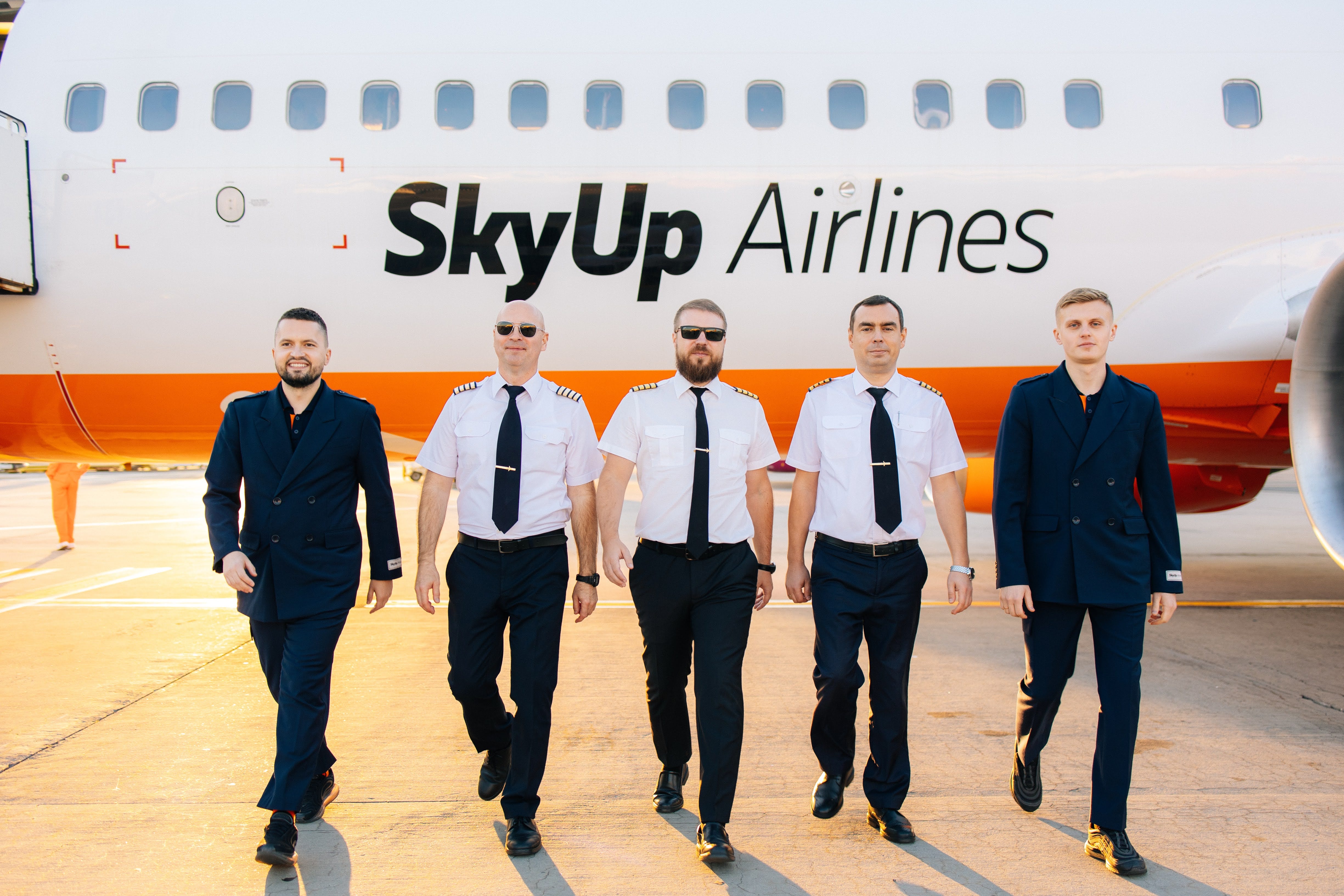
The fact that an airport infrastructure audit has already been conducted is telling. SkyUp is not waiting for airspace to open before starting preparations; the company is already accumulating operational intelligence that will enable it to act faster than competitors.
State Cooperation: Evacuation Flights and the Defense Intelligence Directorate.
Viktoriia H.: “You speak about state support for Ukrainian aviation. In what format does your cooperation with state bodies currently take place?”
Dmytro Sieroukhov: “For us, cooperation with the state means above all helping people in the most difficult situations — when there is an urgent need to evacuate citizens, return them home, or deliver essential cargo. In particular, SkyUp was engaged to conduct special and evacuation flights in coordination with the Ministry of Foreign Affairs and the Defense Intelligence Directorate. One example is the flight from Lebanon to Poland in October 2024, which we conducted in coordination with the MFA and the Defense Intelligence Directorate to evacuate Ukrainians and citizens of other countries from a dangerous area. For this work, the company received an official letter of commendation from the Defense Intelligence Directorate of the Ministry of Defense of Ukraine. For us, this is important as a sign of trust from the state. In addition, we operated humanitarian flights and delivered essential cargo. In many cases, this took place in close coordination with state structures supporting Ukrainians abroad.”
The evacuation flight from Lebanon — a country that in October 2024 found itself in the maelstrom of an escalated armed conflict — exemplifies a mission that extends far beyond standard commercial operation. Such missions require real-time coordination between diplomatic and intelligence structures, decision-making under incomplete information, and operational flexibility that few commercial operators possess.
The official commendation from the Defense Intelligence Directorate of the Ministry of Defense carries significant institutional weight. It testifies not merely to a completed flight, but to the fact that SkyUp acted as a reliable and competent partner in an extraordinarily sensitive context.
2026 Priorities: Restructuring for Growth.
Viktoriia H.: “Looking ahead to this year, how do you envision SkyUp’s development in 2026?”
Dmytro Sieroukhov: “In 2026, SkyUp plans to restructure resources to improve efficiency and profitability. We are reviewing the fleet, optimizing internal processes, and updating the route network to respond quickly to market changes and maintain stable business operations. Our core priorities remain the same: we continue to work on improving services, developing scheduled and charter programs, as well as ACMI. At the same time, we are strengthening cooperation with partners, opening new destinations, and implementing projects that create additional opportunities for passengers, partners, and the company as a whole.”
The word “restructuring” in an aviation context often carries anxious connotations. In SkyUp’s context, however, it signifies something different: not a crisis measure, but a deliberate optimization following several years of operating under conditions of wartime uncertainty. Fleet review likely involves aligning aircraft types and numbers with the current route network and projected demand.
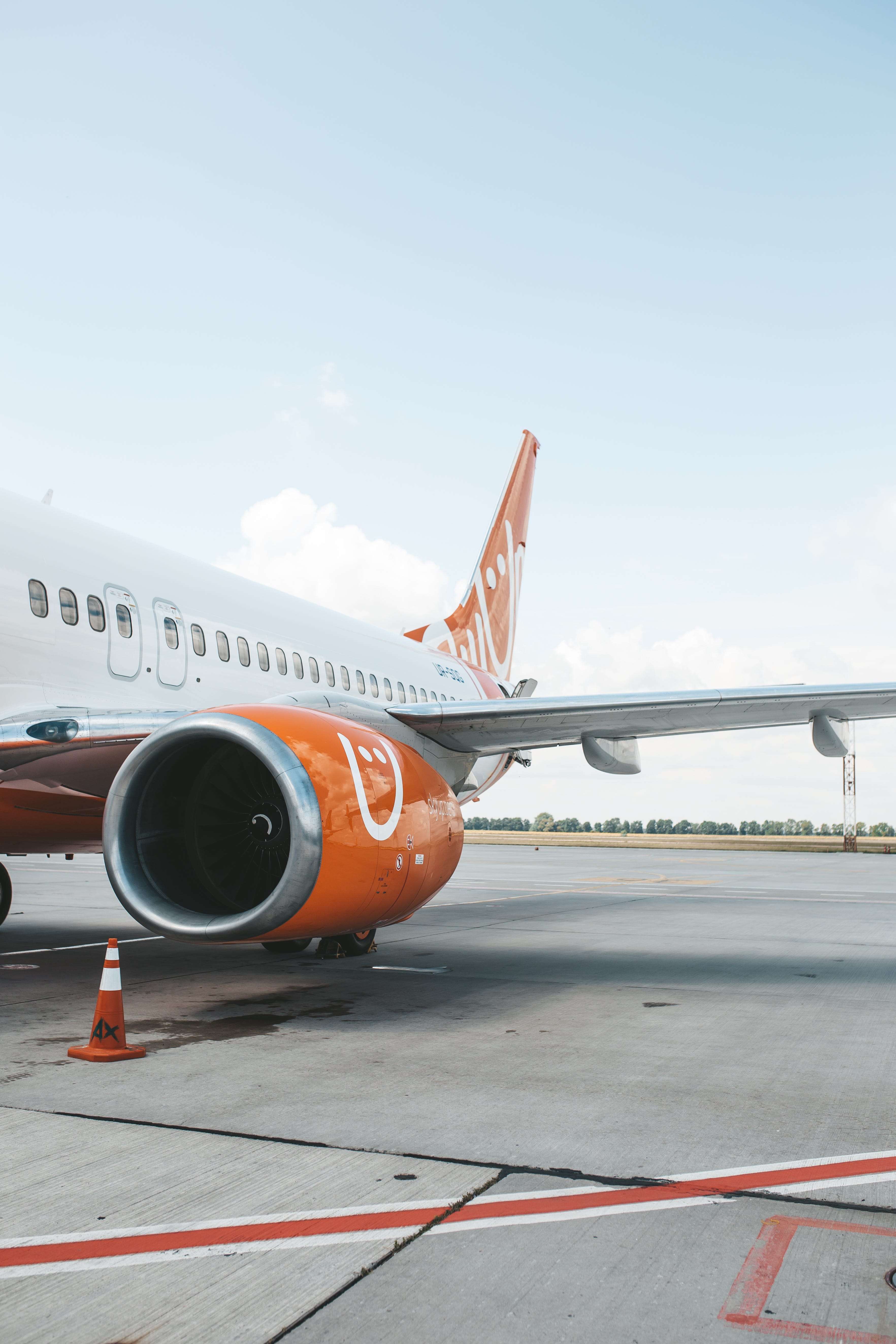
The 2026 agenda — scheduled flights to more than 30 destinations plus charter and ACMI activity — is ambitious but realistic for a company that has already cleared the principal regulatory and operational barriers.
Conclusion: A Lesson in Resilience for the Entire Industry.
Aviation does not forgive weakness — operational, strategic, or human. In conditions where the majority of external factors were aligned against it, SkyUp Airlines built a system that withstood the pressure without losing fleet, team, licenses, or reputation. This is not luck. It is the result of consistent decisions made with an understanding of their long-term consequences.
Dmytro Sieroukhov and his team demonstrated that even under the most difficult conditions it is possible not merely to preserve a business but to emerge from crisis as an operationally more mature company — with international safety standards, European partners, and a clear plan for the future.
For the aviation industry as a whole — especially for recovering markets where sensitivity to external shocks is a built-in feature of the operational environment — this strategy stands as an example worthy of detailed study.
Special thanks to Dmytro Sieroukhov for his comprehensive answers and insider perspective on managing an airline through the most challenging period for the industry and the country.
With respect, Viktoriia Hrechukha for Aviaedge